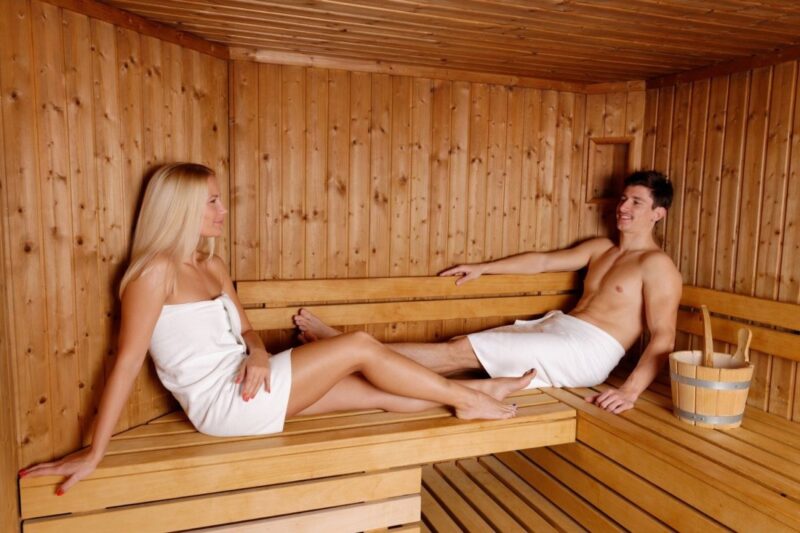
Commercial sauna and steam room solutions are increasingly popular across Queensland in gyms, wellness centres, hotels, and health clinics, but they are also being adopted in premium residential builds. Whether you are planning a commercial installation or a high end home upgrade, success depends on correct design, appropriate equipment selection, and professional installation that suits Queensland conditions.
Planning Commercial Sauna And Steam Room Installations

Businesses aiming to deliver a premium wellness experience often include a steam room for your home style design elements when creating modern, spa inspired environments for clients and members. In Queensland, planning starts with understanding usage volume, user turnover, hygiene requirements, and the physical constraints of the installation site.
Commercial saunas typically need higher durability materials, stronger ventilation planning, and heaters designed for frequent daily cycles. Steam rooms require careful waterproofing, correct fall to waste for drainage, and high quality steam generators matched to room volume. For both systems, safe access, slip-resistant surfaces, and easy cleaning features are critical.
Layout decisions affect both comfort and operational efficiency. Bench heights, seating capacity, door swing direction, lighting placement, and safe heater clearances must be designed to meet compliance requirements while supporting user comfort. For steam rooms, ceiling shapes matter because curved or sloped ceilings help manage condensation and prevent dripping directly onto occupants.
Equipment Selection, Materials, And Queensland Conditions
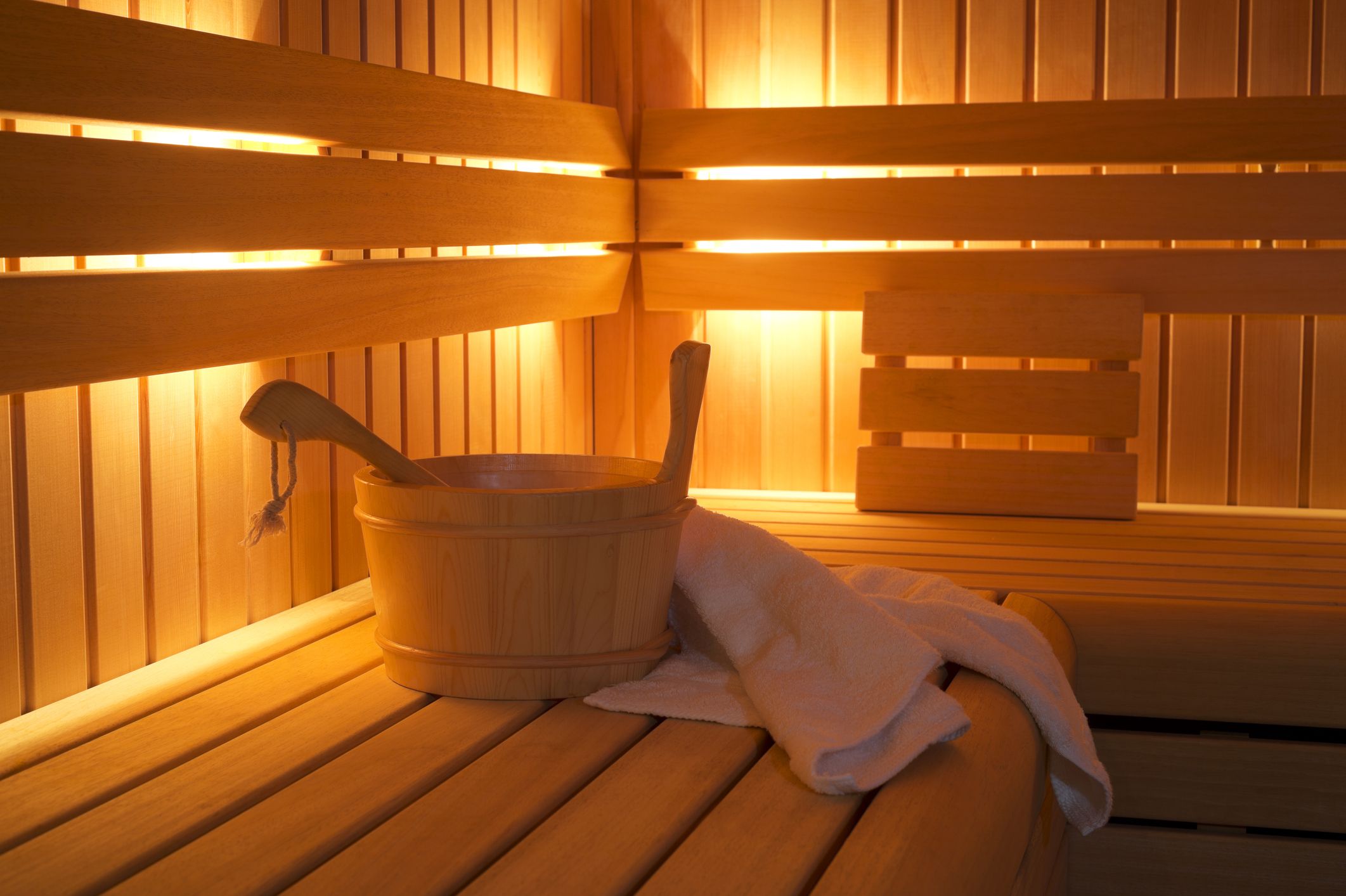
Queensland humidity and temperature variation make material selection especially important. Saunas benefit from heat tolerant timber species and proper insulation to maintain temperature stability while minimizing energy waste. Steam rooms demand fully sealed wall systems, vapor resistant membranes, and corrosion resistant fixtures because moisture exposure is constant.
Steam generators should be sized correctly to avoid long heat up times or unstable steam output. Controls should allow commercial operators to manage session duration, temperature limits, and automatic shutdown features for safety. In high use environments, robust filtration and water quality management reduce mineral buildup and extend equipment lifespan.
Ventilation and airflow planning is essential for both systems. Saunas require controlled air exchange for comfort and safety. Steam rooms need ventilation that removes excess humidity from surrounding areas to prevent mold, corrosion, and building damage beyond the steam enclosure.
Installation, Compliance, And Ongoing Service

Professional installation is vital for safety and reliability. Commercial projects often require coordination with builders, electricians, plumbers, and compliance professionals. Electrical supply must match heater and generator requirements, with protective circuits and correct load management. Steam rooms also require proper plumbing connections, drainage solutions, and safe pressure controls.
Commissioning is a key stage. Installers should test temperature stability, steam distribution, sensor accuracy, emergency shutdown functions, and door sealing performance. For commercial venues, clear operational guidance and staff training reduce misuse and extend equipment life.
Ongoing servicing is equally important. Regular inspections, descaling of steam generators, heater checks, and ventilation maintenance help prevent downtime. In commercial settings, equipment failure can directly impact customer experience and revenue, so preventive maintenance programs are strongly recommended.
Conclusion
Commercial sauna and steam room solutions in Queensland require careful planning, correct equipment selection, and professional installation tailored to local conditions. By designing for durability, comfort, and compliance, businesses and high end homeowners can create reliable wellness spaces that perform consistently. With proper servicing and maintenance, sauna and steam facilities become long term assets that enhance both user experience and property value.