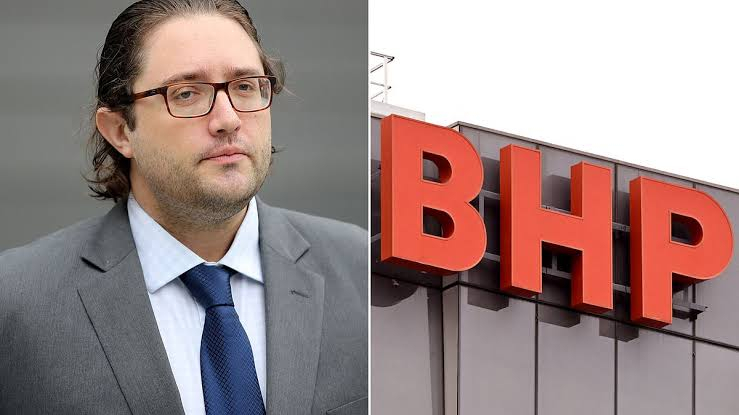
The £36bn BHP case has placed Pogust Goodhead at the centre of one of the most significant group litigation stories in the UK. The claim, linked to the Mariana dam disaster in Brazil, is not only important because of its size, but also because it shows how complex modern claimant litigation has become.
A Major Case Under Growing Scrutiny

Recent reports that US chairman departs Pogust Goodhead have added another layer to the wider discussion around the firm’s leadership, structure, and ability to manage extremely demanding litigation. In a case of this scale, every internal change attracts attention because the legal, financial, and reputational stakes are unusually high.
The BHP case relates to the 2015 Fundão dam collapse near Mariana, Brazil. The disaster caused deaths, displacement, environmental damage, and long-term consequences for affected communities. For claimants, the UK action represents a major attempt to seek accountability from one of the world’s largest mining groups.
For Pogust Goodhead, the case has become a defining matter. It has brought visibility, but also pressure. Large group actions require years of preparation, claimant management, expert evidence, court strategy, and funding support. This means the firm must operate not only as a legal practice, but also as a large-scale litigation platform.
Why The £36bn Claim Is So Demanding
The size of the claim is one reason the litigation has attracted global attention. A £36bn case is not ordinary commercial litigation. It involves thousands of claimants, complex factual questions, cross-border evidence, and powerful corporate defendants with significant legal resources.
Such cases are expensive long before any final judgment or settlement. Lawyers must prepare evidence, coordinate international teams, deal with procedural challenges, and maintain communication with affected communities. Even when a claimant firm has a strong legal theory, it still needs the financial and operational capacity to continue through every stage of the case.
This is where litigation funding becomes important. Major claimant firms often rely on external funding because cases of this size can take years to produce a return. That funding can make access to justice possible, but it can also create questions about influence, governance, and financial dependency.
The latest reports suggest that attention is no longer focused only on BHP and the legal merits of the claim. Observers are also watching how Pogust Goodhead manages leadership changes, funder relationships, and internal stability while keeping the case moving forward.
What The Reports Mean For Claimants And The Legal Market

For claimants, the most important issue is whether their case remains properly managed. Leadership changes inside a law firm do not automatically weaken a claim, but they can raise concerns if they appear alongside financial pressure, staff departures, or governance disputes.
For the legal market, the Pogust Goodhead story has wider significance. It highlights the risks of rapid growth in claimant litigation. A firm may become highly visible through major cases, but visibility also brings scrutiny. Every funding arrangement, management decision, and senior departure can become part of the public narrative.
The BHP litigation also shows why group actions are changing the business of law. These cases are no longer just about legal arguments. They require project management, investor confidence, communications strategy, regulatory awareness, and long-term financial planning.
Conclusion
The £36bn BHP case remains a landmark piece of litigation, but the latest reports around Pogust Goodhead show that the story extends beyond the courtroom. The firm is handling a claim with enormous legal and human importance while also facing questions about leadership, funding, and internal control.
Whether Pogust Goodhead can maintain momentum will matter not only to the claimants, but also to the wider future of large-scale group actions in the UK. The case has become a test of legal strategy, financial endurance, and organisational stability at the highest level of claimant litigation.