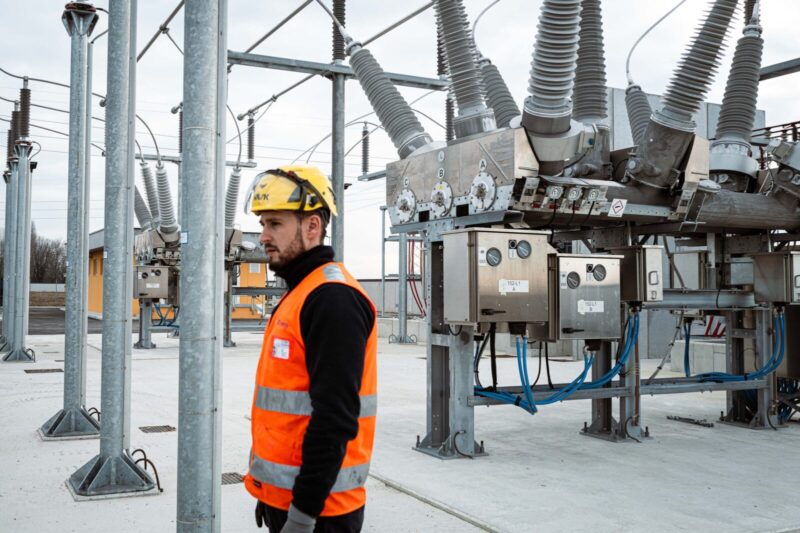
High voltage electrical engineering plays a critical role in modern infrastructure, supporting power generation, transmission, and large scale industrial operations. From substation design to complex grid studies, these services ensure that electrical systems operate safely, efficiently, and in compliance with regulatory standards. As energy demand grows and renewable integration increases, advanced engineering expertise becomes essential for reliable network performance.
Substation Design And High Voltage Infrastructure
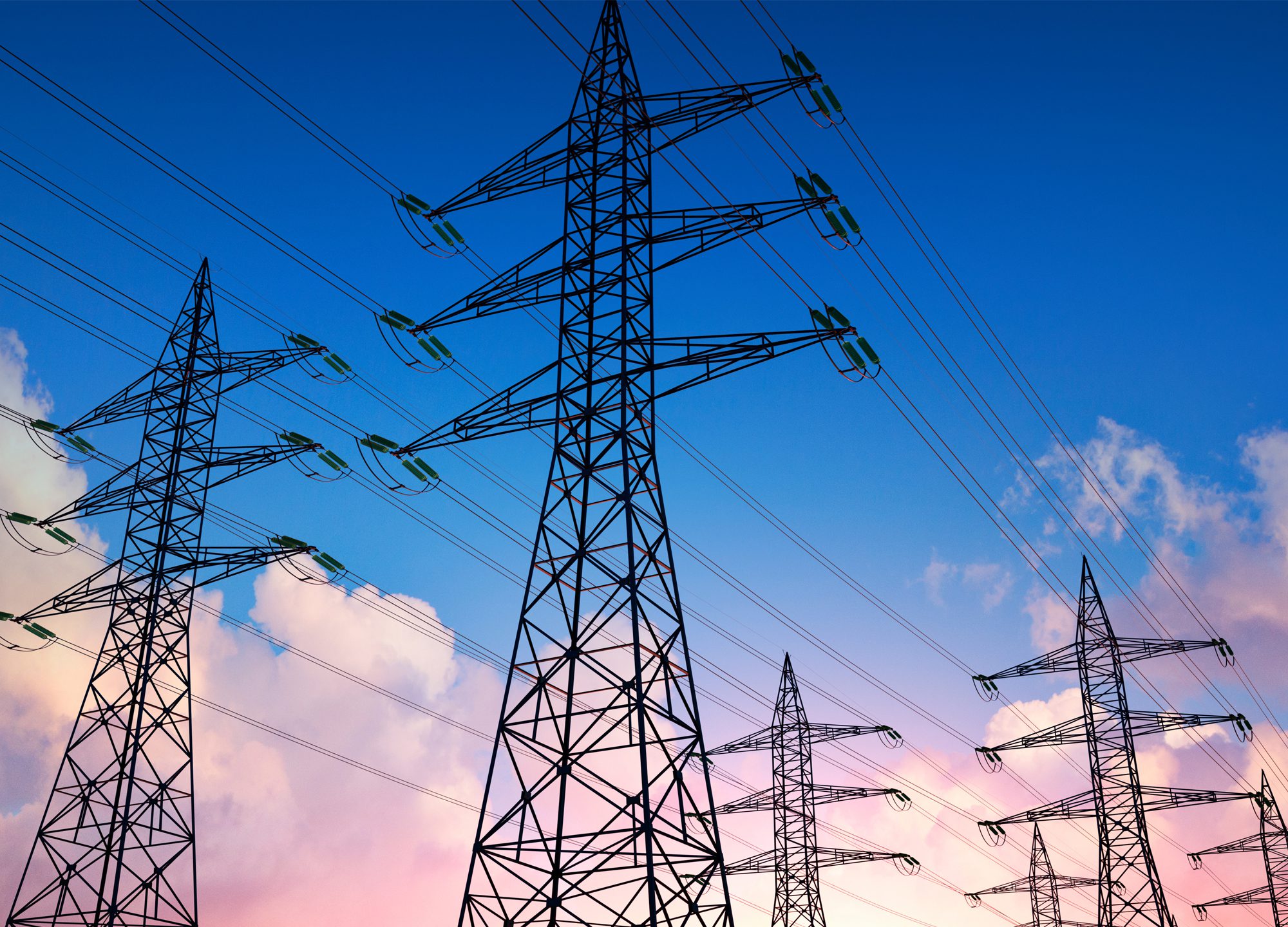
When planning network upgrades or renewable energy integration, many developers evaluate BESS solutions for your project alongside traditional high voltage infrastructure to enhance grid stability and flexibility. Substation design is a core component of high voltage engineering, providing the interface between generation sources and the transmission or distribution network.
Substations must be carefully engineered to manage voltage transformation, fault protection, switching operations, and system control. Design considerations include load demand forecasts, equipment ratings, insulation coordination, protection schemes, and site specific environmental conditions. Engineers also assess grounding systems, electromagnetic compatibility, and safety clearances to ensure operational integrity.
Modern substations increasingly incorporate digital protection relays, automated control systems, and remote monitoring technologies. These features improve reliability, reduce response times during faults, and support predictive maintenance strategies.
Grid Studies And System Analysis
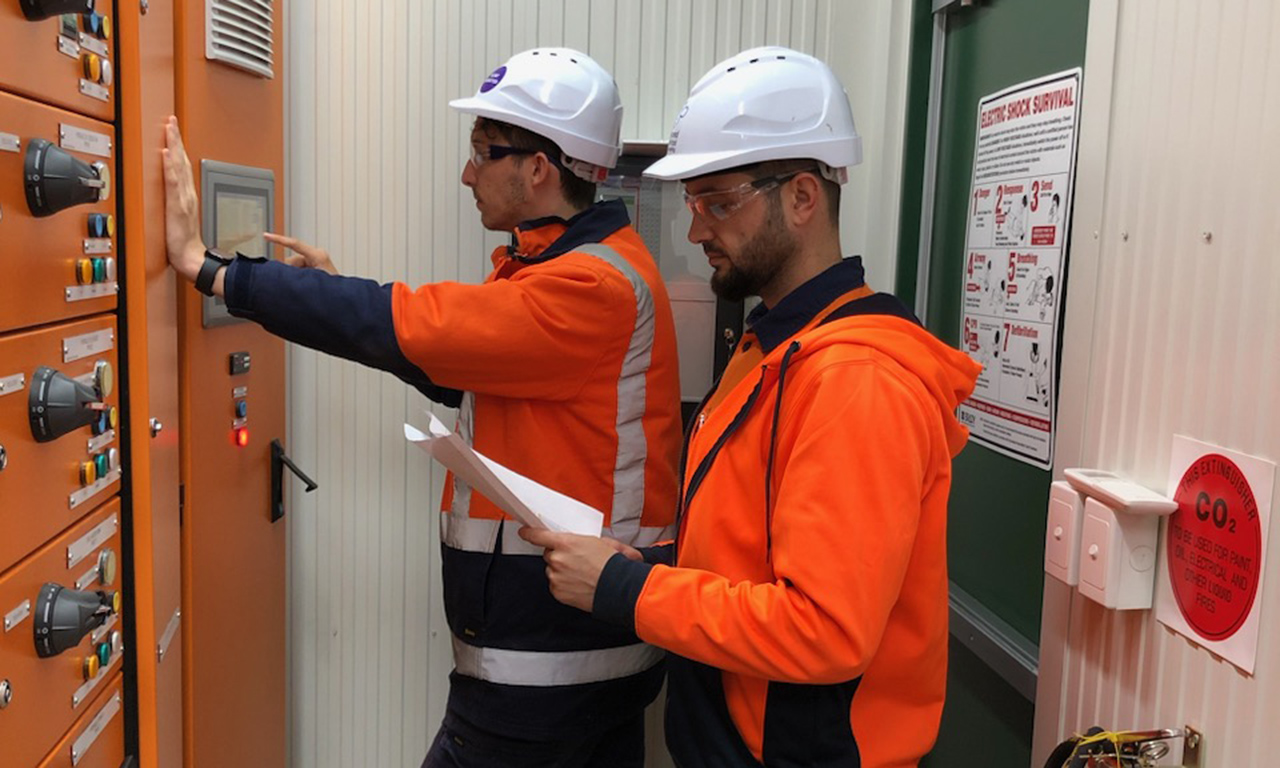
Grid studies are essential for evaluating how new infrastructure or load changes will impact the broader electrical network. High voltage engineers conduct load flow analysis, short circuit studies, protection coordination assessments, and stability modeling to ensure system performance remains within acceptable limits.
Load flow studies analyze voltage levels, power distribution, and system losses under various operating scenarios. Short circuit analysis determines fault current levels and ensures that equipment is rated appropriately to withstand potential disturbances. Protection coordination ensures that fault isolation occurs selectively, minimizing disruption to unaffected areas of the grid.
With increasing renewable penetration, grid stability assessments are particularly important. Engineers evaluate frequency response, voltage control, and fault ride through capability to ensure compliance with network connection standards. These studies support safe integration of solar farms, wind projects, and energy storage systems.
Integration Of Energy Storage And Future Ready Networks
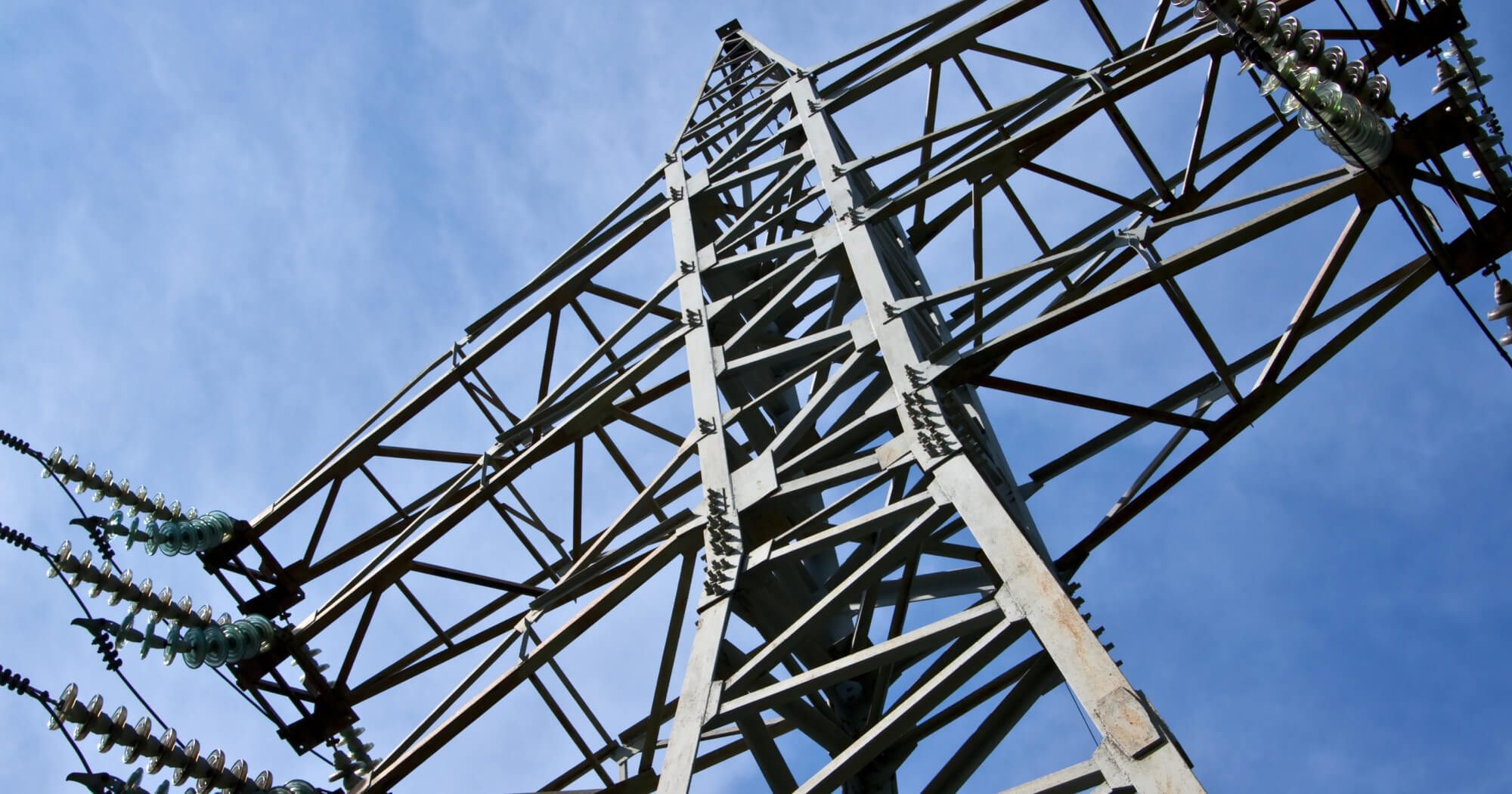
Battery Energy Storage Systems are becoming integral to modern grid design. When combined with high voltage engineering solutions, energy storage enhances reliability, peak load management, and renewable energy balancing.
BESS installations require careful coordination with substations, inverters, protection systems, and control infrastructure. Engineers assess charging and discharging strategies, harmonic impacts, and grid compliance requirements. Proper modeling ensures that storage assets support rather than destabilize the network.
Future ready networks also incorporate advanced communication systems and real time monitoring platforms. These technologies enable dynamic grid management, improved outage response, and optimized energy distribution.
Comprehensive engineering services ensure that all components work together cohesively, minimizing risk and maximizing operational efficiency.
Conclusion
High voltage electrical engineering services are fundamental to reliable power infrastructure. Through expert substation design, detailed grid studies, and integration of advanced technologies such as energy storage, engineers create resilient and future focused networks. By applying structured analysis and precise design methodologies, projects can achieve safe operation, regulatory compliance, and long term performance in an evolving energy landscape.