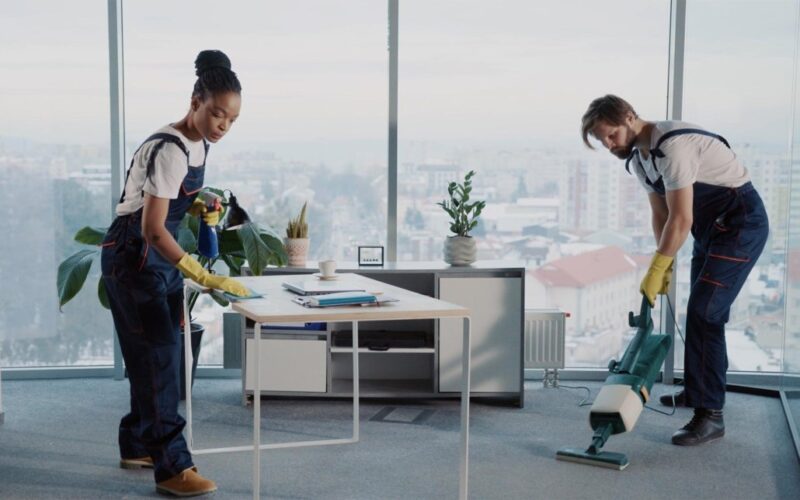
A clean commercial space creates a better environment for employees, visitors and customers. However, maintaining cleanliness involves more than emptying bins or wiping visible surfaces. Businesses need a consistent system that addresses hygiene, workplace hazards and the specific demands of each area. With clear responsibilities and an effective cleaning schedule, commercial premises can remain safe, presentable and ready for daily use.
Create a Cleaning Plan for Every Area
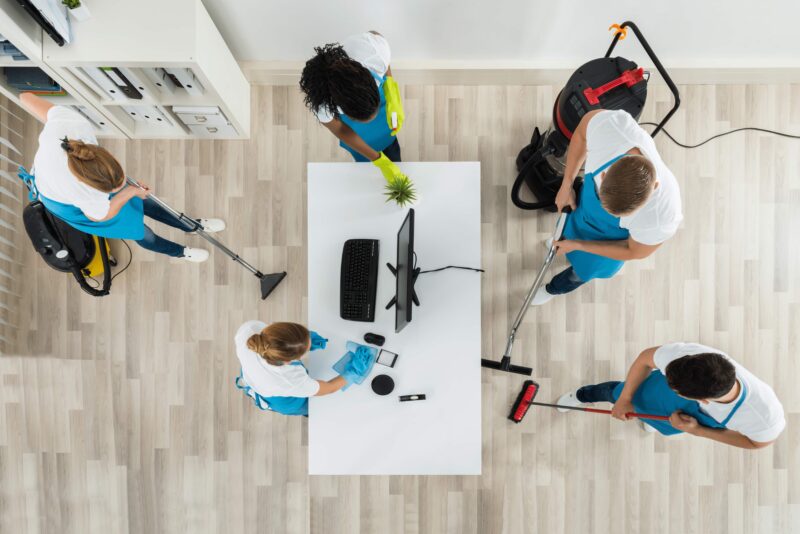
Every workplace has different cleaning requirements, so a single routine may not provide adequate results. Business owners who want to find more about industrial cleaning services should first identify the areas where specialist equipment, trained cleaners or more frequent maintenance may be necessary. Entrances, toilets, kitchens, offices, warehouses and production areas should each have procedures based on how they are used.
High-traffic locations generally require more attention because dirt, moisture and waste accumulate quickly. Door handles, lift buttons, shared desks and other frequently touched surfaces should also be cleaned regularly. Less visible areas, including storage rooms and spaces behind equipment, must not be ignored, as neglected dust and debris can eventually affect air quality, machinery and fire safety.
A written checklist helps cleaners complete tasks consistently and allows managers to confirm that important areas have been covered. The schedule should clearly state which tasks must be completed daily, weekly or periodically.
Reduce Hazards Through Proper Maintenance
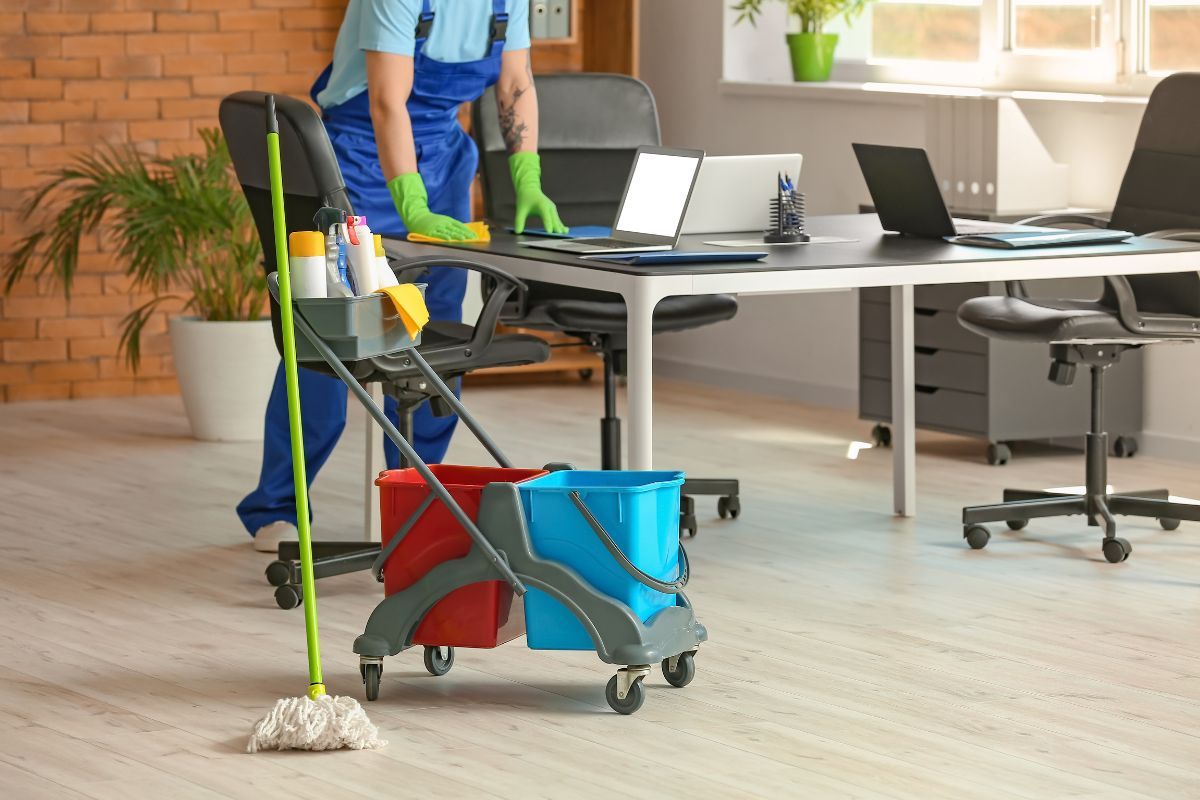
Cleaning has a direct influence on workplace safety. Spilled liquids, obstructed walkways and poorly stored waste can cause slips, trips and falls. These hazards should be removed as soon as they are discovered, while warning signs must be used when floors remain wet during cleaning.
Different materials require suitable products and techniques. Using the wrong chemical may damage flooring, work surfaces or equipment, while mixing incompatible substances can create a serious health risk. Cleaning products should therefore remain labelled, securely stored and accessible only to trained employees. Staff must also follow the manufacturer’s instructions and wear appropriate protective equipment when required.
Regular inspections are equally important. Managers should check entrances, emergency exits, washrooms and shared facilities throughout the day rather than waiting for the next scheduled cleaning session. Prompt reporting allows small problems to be resolved before they interrupt work or expose employees to unnecessary risk.
Maintain Consistent Standards Every Day
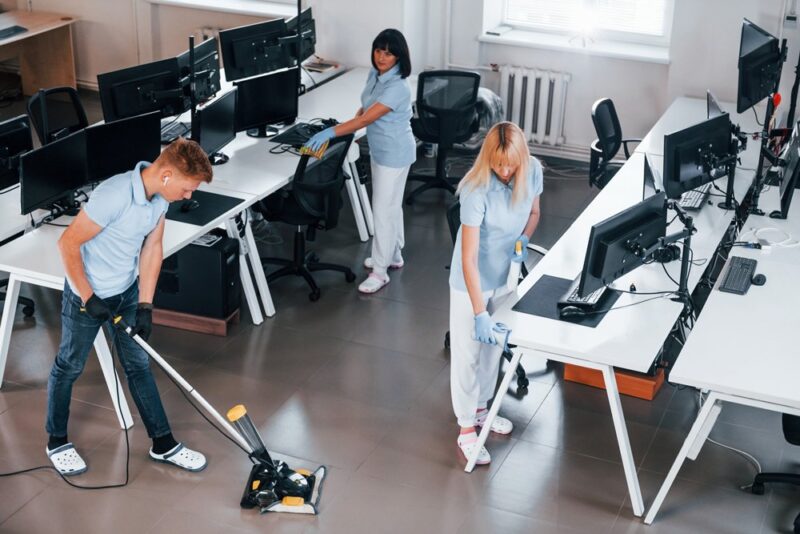
Consistency is easier to achieve when everyone understands their responsibilities. Professional cleaners may handle scheduled sanitation and deep cleaning, but employees should also keep personal work areas organised and report spills, damage or overflowing bins. Simple rules can prevent clutter and reduce the amount of corrective work needed at the end of each day.
Businesses should provide enough bins, cleaning stations and hand hygiene supplies for the number of people using the premises. Supplies need to be checked and replenished regularly so that employees are never left without soap, paper products or basic cleaning materials.
Performance should be reviewed through inspections, staff feedback and service records. If the same area repeatedly fails to meet the expected standard, the schedule, equipment or allocation of resources may need to change. Seasonal conditions, increased staffing and special events may also require temporary adjustments.
Conclusion
Keeping a commercial space clean, safe and ready for staff requires planning, appropriate products and reliable daily routines. A structured schedule ensures that every area receives suitable attention, while regular inspections help businesses address hazards quickly. When professional cleaners, managers and employees share responsibility, the workplace becomes more hygienic, efficient and welcoming. Consistent cleaning standards also protect business assets and demonstrate that employee wellbeing is treated as an everyday priority.